Window Replacement: Hidden Risks of Waiting Too Long to Deal With Failing Windows
Waiting too long on failing windows can lead to drafts, moisture damage, trim deterioration, harder operation, and more expensive repairs around the opening.
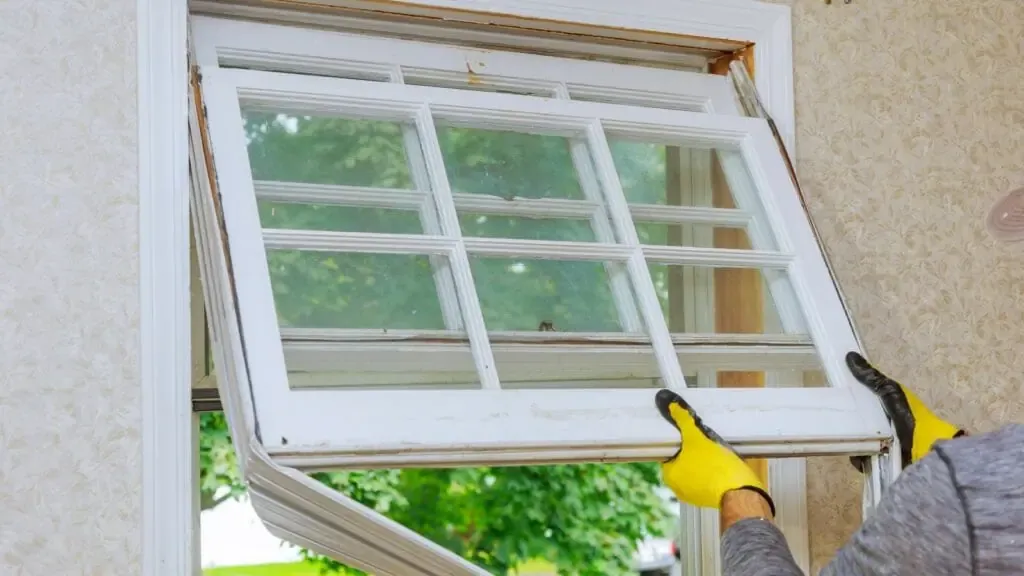
Window Replacement: Hidden Risks of Waiting Too Long to Deal With Failing Windows
Homeowners often delay window replacement because the windows still technically open or the damage feels manageable. The problem is that failing windows usually cost more than comfort alone. Drafts, moisture intrusion, trim damage, paint failure, and rising heating bills tend to get worse gradually, which makes them easy to ignore until the repair scope grows.
Common risks of waiting
- worsening air leakage and winter discomfort
- trim or wall damage from moisture
- harder operation and safety issues
- higher energy waste
- more expensive surrounding repairs later
When replacement becomes the better move
If seals have failed, frames are deteriorating, operation is poor, and water is starting to affect adjacent materials, replacement usually becomes the more rational decision. Repeated patching rarely changes the long-term outcome.
What homeowners should evaluate
Look beyond the glass. Check frame condition, air leakage, trim damage, staining, and whether the opening has already started to affect nearby finishes. The best time to replace windows is before the surrounding materials are damaged too.
Bottom line
Waiting too long often turns a window problem into a wall, trim, or moisture problem. If the windows are clearly failing, earlier replacement usually protects more than just energy efficiency.