Attic Insulation Rochester: Wait Until Spring?
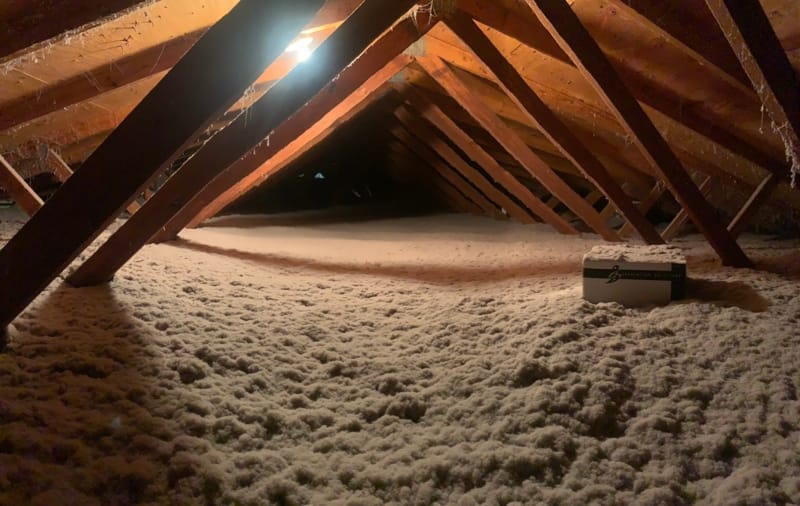
Attic insulation Rochester — if your attic is still uninsulated or under-insulated here in East Rochester, can you wait until spring to upgrade? The short answer: you can in many cases, but there are strong reasons to act before spring if you want winter comfort and to avoid hidden risks.
As a neighbor-serving team, Alex Renovation wants homeowners in East Rochester and the broader Rochester area to make a smart, practical choice about insulation upgrades. Below you’ll find clear guidance on waiting vs. acting now, seasonal constraints, costs, moisture risks, and pro tips from our European-craftsmanship approach. For more resources, find more tips at alexrenovation.net.
Should I delay attic insulation until spring? (winter attic insulation)
Delaying attic insulation until spring is possible, but consider these trade-offs specific to late winter in East Rochester:
- Comfort and heating bills: Proper attic insulation reduces heat loss; keeping insulation off until spring means higher winter heating costs and chillier living spaces.
- Moisture and ice-dam risk: In cold Rochester winters, warm air leaking into a cold attic can cause condensation and ice dams on the roof if ventilation and air sealing are inadequate.
- Installation conditions: Some insulation types (blown cellulose, spray foam) can be installed in cold weather; fiberglass batts and rigid boards are also feasible with proper access and safety.
- Scheduling & prices: Waiting until spring can make scheduling easier and might avoid emergency crews, but spring is also peak season — plan early to lock in dates and competitive pricing.
When is it best to do insulation upgrades in East Rochester?
Timing depends on priorities—immediate comfort, budget, or durability. Consider these practical scenarios:
- Need immediate relief from high bills or drafts: Do it now. Adding insulation reduces heat loss quickly and improves comfort within days.
- Concerned about moisture or ice dams: Address air sealing and attic ventilation now; insulation alone without sealing can worsen ice-dam formation.
- Prefer milder weather for exterior work: Schedule in spring if exterior access is required (roof vent work, eaves, or soffit repairs), but book early.
Example: a Brighton homeowner who waited until April saw contractors booked for 6–8 weeks and continued paying 15–25% higher winter heating costs; a neighbor who had air-sealing and 12" of blown cellulose installed in February noticed immediate temperature balance and lower bills.
Which insulation type should East Rochester homeowners choose?
Choose by performance, budget, and project scope:
- Blown cellulose: Excellent for filling irregular joist bays and older homes; good mid-range cost and strong thermal performance when dense-packed.
- Fiberglass batts: Cost-effective for straightforward installs but only perform well when fitted and combined with proper air sealing.
- Spray foam (closed-cell/open-cell): Highest R-value per inch and acts as air barrier; ideal for rim joists, complex rooflines, and when you need both air sealing and insulation.
- Rigid foam board: Good for knee walls, attic hatches, and continuous insulation at roof decks or attic floors.
Pro tip: For homes here in East Rochester with older construction, pair dense-packed cellulose in the attic floor with spray-foam at rim joists to control air leakage and moisture — that combination helps prevent cold spots and ice dams.
Practical checklist before you decide to wait
- Perform a quick audit: look for daylight at the attic floor, visible drafts around recessed lights, chimneys, and wiring penetrations.
- Check attic ventilation: confirm soffit and ridge vents are clear to reduce condensation and ice-dam risk.
- Air-seal first: caulk and foam around penetrations, install attic hatch insulation, and seal recessed fixtures where possible.
- Inspect for water damage: if you see stains, active leaks, or mold, address repairs before adding insulation.
- Get at least two local quotes: ask contractors about winter installation experience, materials, and warranties.
Frequently Asked Questions
1. Will insulation installed in winter perform as well as spring installations?
Yes—material performance is the same, but proper installation and attention to moisture and air sealing are critical whether it’s winter or spring; experienced crews in Rochester routinely install blown cellulose and spray foam in cold conditions.
2. Can adding attic insulation in winter cause moisture problems?
Insulation itself does not cause moisture, but adding insulation without fixing air leaks and ensuring ventilation can trap warm, moist air and create condensation; always pair insulation upgrades with air sealing and ventilation checks.
3. How much insulation should I add to my East Rochester attic?
Most older Rochester homes are below current recommendations; a common target is R-49 to R-60 at the attic floor (roughly 15–20 inches of fiberglass or cellulose), but exact needs depend on existing levels and your roof assembly.
Conclusion
Key takeaways: you can delay attic insulation until spring, but acting now—especially on air sealing and ventilation—will improve comfort, reduce winter heating costs, and lower the risk of ice dams here in East Rochester. If you plan to wait, at minimum schedule an air-sealing assessment and inspect vents and attic moisture before thaw. Need help with Insulation upgrades in East Rochester or the Rochester area? Alex Renovation brings European craftsmanship to every project. Contact us for a free estimate at alexrenovation.net